
Key Takeaway
Christian supplements are best approached with both faith and good judgment. Scripture can offer meaningful historical context for botanicals, but a responsible wellness decision still starts with a transparent label, realistic expectations, sound medical advice when needed, and an honest look at the evidence.
In This Guide
- What People Mean by Christian Supplements
- How to Evaluate a Supplement Carefully
- What Makes a Supplement Company “Christian”?
- Who Is in This Space
- Quality Signals Worth Checking
- How to Compare Two Products Side by Side
- What Does the Bible Actually Say About Supplements?
- Interactions and Cautions Worth Knowing
- Biblical Botanicals in a Modern Wellness Conversation
- The Eight Botanicals in The Bible Supplement
- Questions to Ask Before Taking a Supplement
- Christian Supplements FAQ
What People Mean by Christian Supplements
People searching for Christian supplements are usually looking for more than a bottle with a cross on the label. They are looking for a way to make wellness decisions that fit their convictions.
That can mean several things. Some people want to learn about botanicals mentioned in Scripture. Others want to support a company that speaks openly about faith. Many simply want a calmer, more intentional way to think about health than the usual cycle of hype, fear, and oversized promises.
That instinct makes sense. Faith has always shaped how people think about stewardship, gratitude, rest, community, and care for the body. But it should not lower the standard for evaluating a supplement. A faith-based product still deserves the same careful questions as any other product: What is in it? How much of each ingredient is included? Is the label clear? Are the claims measured? Is it appropriate for me and my circumstances?
The most helpful way to think about Christian supplements is not as a separate medical category. Think of them as products considered through a faith-informed lens. The faith component can add meaning and historical perspective. It does not replace product transparency, professional advice, or common sense.
What Makes a Supplement Company “Christian”?
This is the question the category never answers plainly, and it matters, because “Christian” on a supplement label is not a regulated term. Nobody audits it. It means whatever the company using it decides it means.
In practice, faith-based supplement brands tend to claim one or more of five distinct things. They are worth separating, because they are not equivalent and a buyer may care about one and not the others.
- Ownership and stated mission. The company is owned or led by Christians and says so openly. This is the most common claim and the least verifiable from the outside.
- Where the profits go. A stated share of revenue or profit funds ministry, missions, or charitable work. Some brands publish a specific percentage; some publish a running total of what has been given.
- Value alignment on a specific issue. Most often pro-life positioning, sometimes sourcing ethics or refusal to use particular ingredients or testing methods.
- The ingredients themselves. Formulas built around plants named in Scripture, or around a biblical dietary framing.
- The framing of the product. Language about stewardship, the body as temple, daily ritual, or worship attached to the act of taking the supplement.
The fifth is where the most care is needed. A company can describe a product in devotional language without that language telling you anything about what is in the bottle. Scripture on the label is not a quality signal, and it should never substitute for a Supplement Facts panel.
Who Is in This Space
Searchers looking for Christian supplements are usually trying to find out who exists, so here is a plain description of the landscape. These are other companies, not ours, described by what they publicly say about themselves. We have no relationship with any of them and this is not a ranking.
| Brand | What it sells | How it frames the faith connection |
|---|---|---|
| We Heart Nutrition | Vitamins and general nutrition | Pro-life positioning, with a stated share of purchases directed to pregnancy resource centers |
| LifeSource Vitamins | A broad catalog of supplements | A long-established Christian-owned company that describes profits as funding Christian outreach |
| TEMPL | Sports and training nutrition | Faith framed around training and physical discipline as worship |
| Flight Foods | A faith-based supplement store | Mission-driven positioning, with formulation transparency as the lead argument |
| The Bible Supplement (ours) |
A single daily botanical formula | Eight botanicals that appear by name in Scripture, with the full label published |
The useful observation for a buyer is that “Christian supplement” covers at least three different product categories — general multivitamins, sports nutrition, and Scripture-ingredient formulas. Deciding which category you actually want narrows the field faster than comparing faith statements does.
How to Evaluate a Supplement Carefully
A supplement label should make the decision easier, not harder. Whether you are comparing a faith-based supplement brand or any other dietary supplement, start with the Supplement Facts panel and the ingredient list.
Look for specific ingredient names and amounts. A label that lists a botanical without saying how much is included leaves important questions unanswered. When a product uses a blend, it should still be clear what the blend contains and what a serving looks like. Check the suggested use, allergen statement, and any warnings as well.
It also helps to separate reasonable wellness language from sweeping claims. Dietary supplements may support normal body functions, but they are not a replacement for diagnosis or medical treatment. The Food and Drug Administration advises consumers to be informed and to talk with a doctor, pharmacist, or other healthcare professional before deciding to use a dietary supplement. 1
This matters most when a person is pregnant, nursing, preparing for surgery, managing a medical condition, or taking prescription or over-the-counter medication. Botanicals can interact with medications, and “natural” is not the same thing as risk-free. The National Center for Complementary and Integrative Health recommends following label directions and discussing supplements with a healthcare provider. 2
A sensible review starts with a short checklist.
| Question | Why it matters |
|---|---|
| Is every ingredient named clearly? | You should know what you are taking. |
| Are the serving amounts visible? | Amounts provide context that a marketing claim cannot. |
| Does the product make realistic claims? | Responsible language is a sign that the company respects the reader. |
| Does the brand explain who it is and how to reach it? | Contact information, policies, and a real business identity matter. |
| Have I considered my medication, condition, or life stage? | A quick conversation with a qualified professional can prevent an avoidable problem. |
Quality Signals Worth Checking
Beyond the label itself, a handful of manufacturing and testing signals are worth knowing how to read. They are the vocabulary this industry uses, and knowing what each one does and does not guarantee is most of the skill.
- cGMP / GMP-registered facility. Current Good Manufacturing Practice regulations govern how a supplement is made, handled, and stored. It speaks to process consistency — not to whether an ingredient does anything.
- Third-party tested. An outside lab has verified something about the product. The useful follow-up question is what was tested: identity of the botanical, potency, heavy metals, microbial contamination. “Third-party tested” without a scope is close to meaningless.
- Made in the USA. Refers to where it was manufactured, which is not the same as where the raw botanicals were grown.
- No proprietary blends. A proprietary blend lists ingredients but hides how much of each. Its absence is a genuine transparency signal, because it means you can see the actual amounts.
- Full label transparency. Every botanical named, with milligrams per serving, plus an “Other Ingredients” line disclosing capsule material, flow agents, and fillers.
- Allergen statement. Particularly relevant where a formula includes seeds, tree-derived resins, or grape-derived extracts.
How to Compare Two Products Side by Side
Once two bottles are in front of you, four numbers settle most comparisons — and none of them is the sticker price.
- Milligrams per serving, per ingredient. Not the total. A formula totaling 1,000 mg across twelve botanicals gives you less of each than one totaling 730 mg across eight.
- Servings per container, not capsule count. A 120-capsule bottle at four capsules per serving is a 30-day supply. A 60-capsule bottle at two capsules per serving is also a 30-day supply. The bigger number is not the better value.
- Cost per serving. Price divided by servings per container. This is the only price comparison that means anything.
- Extract or whole powder, and at what ratio. A standardized extract and a ground whole botanical at the same milligram weight are not equivalent products. If a label says “extract,” it should say what the ratio or standardization is.
For reference, our own formula is 730 mg per serving across eight botanicals, evenly divided at 91.25 mg each, in 60 vegetarian capsules — the full breakdown is on the ingredients page. We publish those numbers so they can be compared against anything else you are considering, including products that are not ours.
What Does the Bible Actually Say About Supplements?
Directly, nothing. The concept did not exist, and no passage addresses capsules, extracts, or dosing. Any answer that claims otherwise is reading something into the text that is not there.
What Scripture does speak to is the surrounding question — how a person regards the body and the food that sustains it. Three passages come up most often:
- Genesis 1:29 presents seed-bearing plants and fruit as given for food, which is the root of most biblical framings of plant-based nourishment.
- 1 Corinthians 6:19–20 describes the body as a temple, which has become the most-cited basis for treating physical care as a matter of stewardship rather than vanity.
- 1 Timothy 5:23 contains Paul’s practical instruction to Timothy about his stomach and frequent ailments — notable mainly because it shows an apostle giving ordinary, unremarkable advice about physical wellbeing.
Read together, the reasonable conclusion is modest: caring for the body is treated as a legitimate concern, and plants are treated as good. That is a framework for how to think, not an endorsement of any particular product.
The honest caution runs the other way too. A plant appearing in Scripture is a fact about the ancient world, not a health recommendation. Frankincense and myrrh appear in the Bible because they were valuable trade goods and worship materials — the text is telling us about their cultural significance, not making a claim about what they do in a human body. Anyone selling you a supplement on the strength of a verse has reversed the direction of the argument.
Biblical Botanicals in a Modern Wellness Conversation
Scripture mentions plants, spices, resins, seeds, and fruits in many settings. Some appear in food. Some appear in worship, hospitality, agriculture, trade, or symbolic teaching. That historical context can be meaningful for a person of faith.
It is also important to keep the categories straight. A botanical appearing in Scripture tells us that it had significance in the ancient world. It does not, by itself, answer modern questions about preparation, concentration, dose, quality, safety, or interaction with medication.
That distinction is not a weakness. It is a more grounded way to approach the subject. A thoughtful faith-based wellness practice can appreciate the history of frankincense, myrrh, cinnamon, olives, grapes, mustard seed, pomegranates, and bitter herbs without turning every biblical reference into a promise.
For many Christians, this approach feels more consistent with stewardship. It makes room for gratitude, learning, and discernment. It leaves room for medical care too.
The Eight Botanicals in The Bible Supplement
The Bible Supplement brings together eight botanicals that are referenced in Scripture. The formula contains 730 mg of active botanical ingredients per serving and includes 60 capsules per bottle. 3
| Botanical in the formula | Biblical context | Practical next step |
|---|---|---|
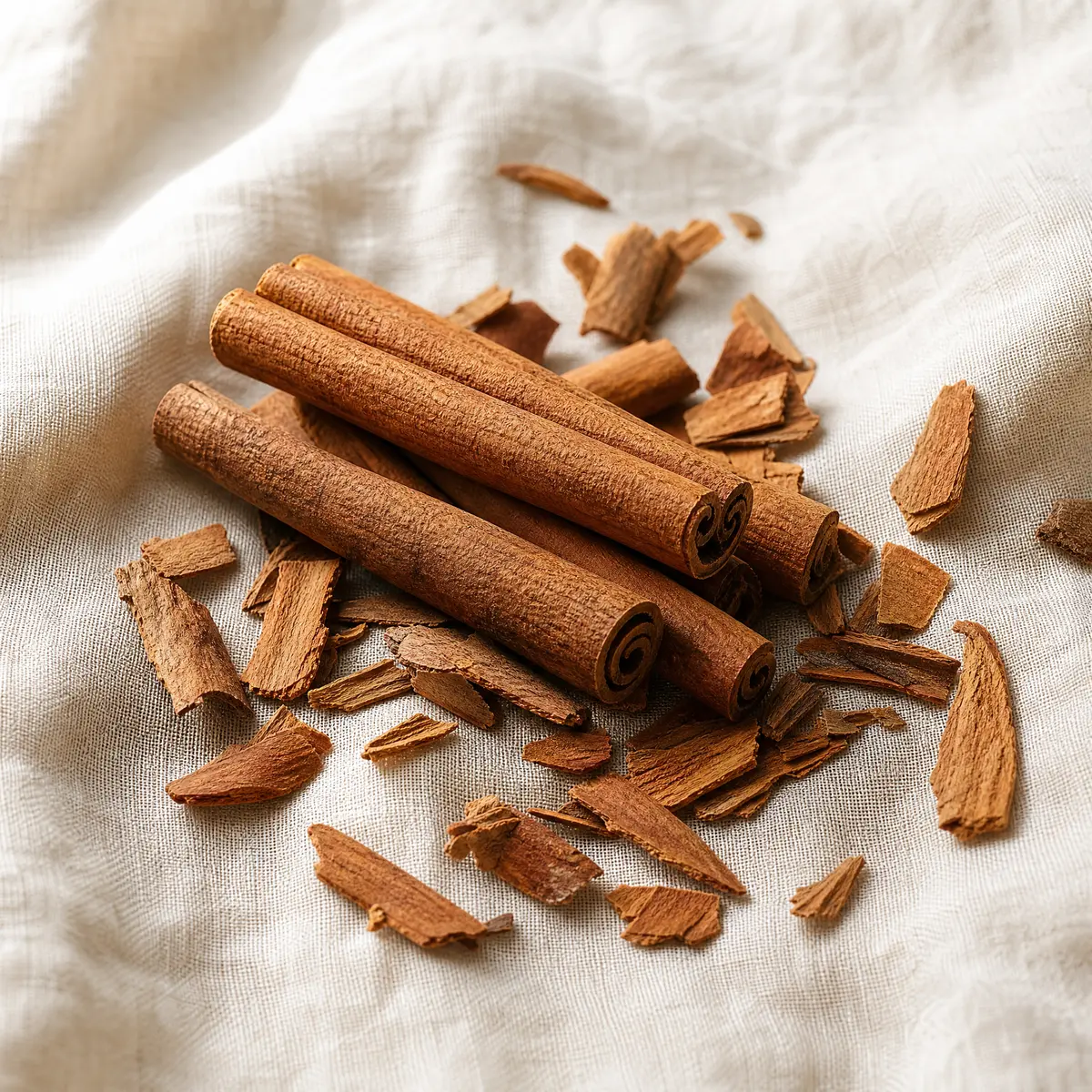
| Cinnamon | Included among the spices used in the holy anointing oil. | Review the full ingredient profile and amount. |
| Dandelion, identified as a bitter herb | Bitter herbs appear in the Passover account. | Consider the full label and personal health context. |
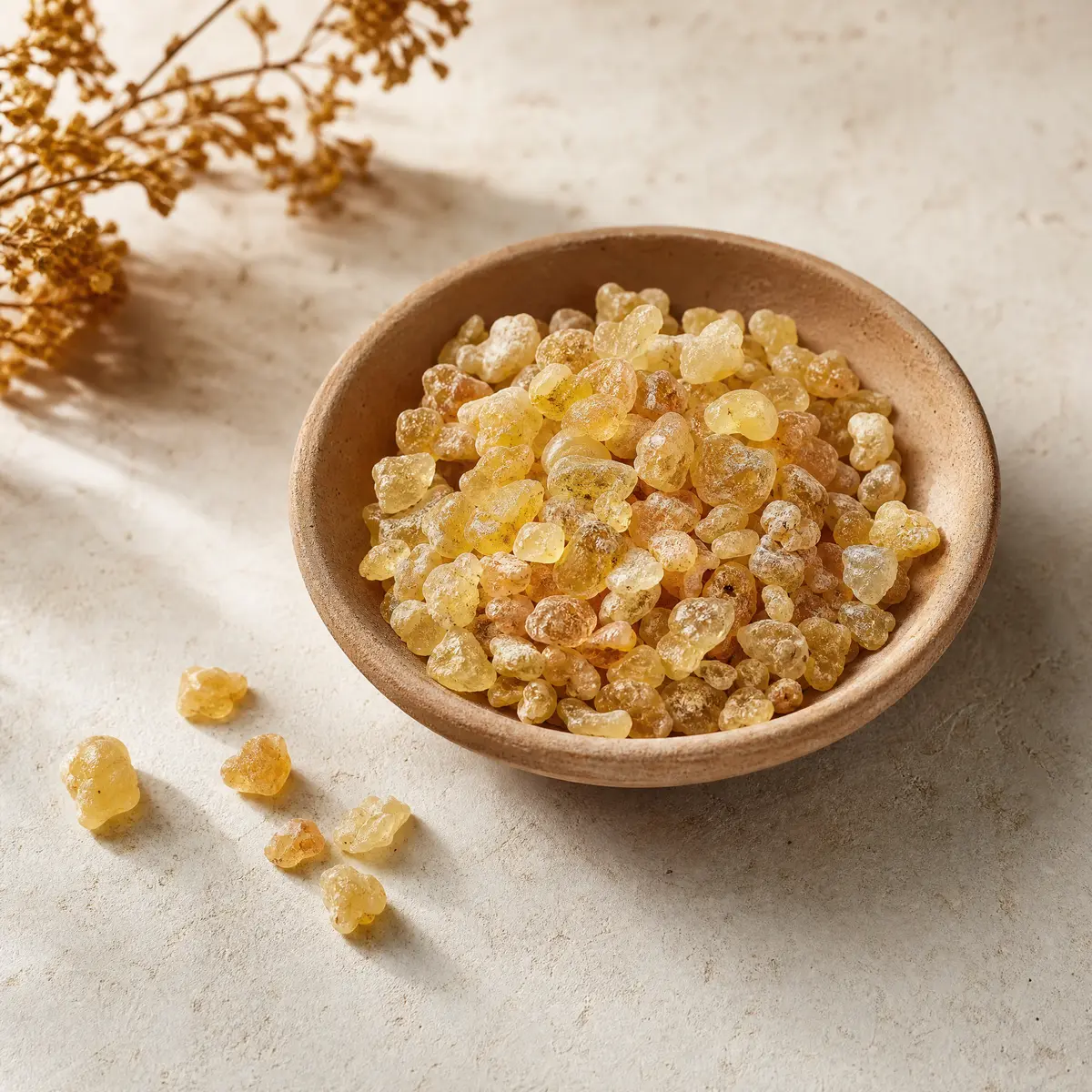
| Frankincense | Mentioned among the gifts brought to Jesus. | Review product ingredients and consult a clinician if needed. |
| Grape seed extract | Grapes and vineyards appear throughout Scripture. | Read the ingredient profile rather than relying on broad claims. |
| Mustard seed | Used in Jesus’ teaching as a picture of small beginnings and growth. | Check the serving amount and label directions. |
| Myrrh | Appears in the holy anointing oil and in the gifts brought to Jesus. | Consider medication and health-context questions first. |
| Olive leaf | The olive branch is a familiar biblical symbol of peace and renewal. | Review the full label before use. |
| Pomegranate | Appears in temple and priestly-garment imagery. | Read the ingredient details and product guidance. |
This table is a starting point, not a substitute for the full formula information. Anyone considering the product should review the detailed 8 Pillars Formula page for current ingredients, listed amounts, and product guidance. 3
Interactions and Cautions Worth Knowing
This section exists because most articles about biblical herbs skip it entirely, and it is the part that actually affects whether a product is appropriate for a given person. “Natural” is not a synonym for “safe for everyone,” and botanicals are biologically active by definition.
Talk with your doctor or pharmacist before starting any botanical supplement if any of the following apply to you:
- You take prescription medication. Botanical–drug interactions are real and well documented across many plant compounds. This applies especially to anticoagulants and antiplatelet medication, where any botanical should be reviewed rather than assumed safe.
- You have surgery scheduled. Many practitioners ask patients to stop botanical supplements one to two weeks beforehand. Tell your surgical team what you take.
- You are pregnant or nursing. Safety data for most botanicals in pregnancy is limited, and “limited data” should be read as a reason for caution rather than reassurance.
- You are managing a diagnosed condition. Discuss it with the clinician who manages that condition rather than substituting or adding on your own.
- You are giving it to a child. Adult supplements are formulated for adults; talk to a pediatrician.
- You have known plant or food allergies. Read the full ingredient list, including the “Other Ingredients” line, and check for seed-, fruit- or resin-derived components.
None of this is unique to faith-based products. It applies to every dietary supplement on the shelf. It appears here because a page that tells you about eight botanicals and says nothing about when to be careful with them has not actually helped you.
The FDA and the National Center for Complementary and Integrative Health both publish consumer guidance on using supplements wisely, and both are worth reading before you start anything new.
Wellness Is More Than a Capsule
A supplement can be one part of a routine. It cannot carry the whole routine.
Food, sleep, movement, relationships, stress, and regular medical care all matter. A faith-based perspective can make that easier to remember because it treats health as part of a whole life, not as a quick transaction. No bottle can replace an adequate diet, a good night of rest, or the care of a knowledgeable professional.
That does not mean supplements have no place. It means they deserve a realistic place. The best question is not “What can this one product do for everything?” A better question is “Does this product make sense as one informed part of my own wellness plan?”

Comparing two faith-based formulas against each other? See our ingredient comparison of the Wisdom Bible Based Herbal Blend and The Bible Supplement, which sets both eight-botanical lists side by side with chapter and verse.
Questions to Ask Before Taking a Supplement
Before starting a new supplement, take a minute to consider your situation. This is especially important if you are taking medication, managing a health condition, pregnant, nursing, or scheduling surgery.
Write down the medicines, supplements, and over-the-counter products you already use. Bring the complete list to a doctor, pharmacist, or qualified healthcare professional. This is a simple habit, but it helps identify possible interactions and duplicated ingredients.
If you notice an unwanted effect after taking a supplement, stop using it and contact an appropriate healthcare professional. The FDA provides consumer information about dietary supplement safety and reporting concerns. 1
Important: This guide provides general educational information. It is not medical advice. Follow product-label directions and speak with a qualified healthcare professional about questions related to your individual health, medications, pregnancy, nursing, or surgery.
Where The Bible Supplement Fits
The Bible Supplement is a faith-based botanical formula built around eight ingredients that appear by name in Scripture. Its purpose is to bring together biblical context, a transparent formula, and a practical wellness routine. To learn more about the brand’s approach to faith-based wellness, visit the homepage.
If that approach resonates with you, begin with the details. Review the 8 Pillars Formula and look at the current product page before making a purchase. Those pages give you the information that matters most: what is in the formula, how it is described, and where to find current ordering information.
There is no need to rush the decision. The right product is one you understand, feel comfortable asking questions about, and can use responsibly within the larger picture of your health.
Christian Supplements FAQ
Are Christian supplements different from other supplements?
The ingredients and label standards still deserve the same scrutiny as any other supplement. The Christian or faith-based element may come from the company’s mission, educational approach, or the historical context of its ingredients. It should never be treated as a substitute for clear labeling, sound evidence, or appropriate medical guidance.
Does a botanical being mentioned in the Bible mean it is right for everyone?
No. Biblical references provide historical and spiritual context. They do not determine whether a particular product, dose, or ingredient is appropriate for every person. Individual health history, medications, and the complete label still matter.
Where can I see the full formula for The Bible Supplement?
The 8 Pillars Formula page lists the eight botanicals and their current amounts. Review it alongside the current product page before deciding whether the formula is a fit for you.
Can The Bible Supplement replace medical care or a balanced diet?
No. Supplements are intended to supplement the diet. They do not replace medical care, a balanced eating pattern, sleep, movement, or other foundational parts of wellness. 1
What is a Christian-based supplement company?
A Christian-based supplement company is one that publicly connects its ownership, mission, giving, or product framing to Christian faith. The term is not regulated, so it carries no standard meaning and no external verification. In practice brands claim it in five different ways — Christian ownership, profits directed to ministry or charitable work, alignment with a specific value such as pro-life advocacy, formulas built from plants named in Scripture, or devotional framing of the product itself. Because the label is self-applied, the useful test is whether the company can point to something checkable, such as a published giving commitment or a stated sourcing standard.
What does the Bible say about taking supplements?
Scripture says nothing about supplements directly — the category did not exist when it was written. It does speak to the surrounding questions. Genesis 1:29 presents seed-bearing plants and fruit as given for food. 1 Corinthians 6:19–20 describes the body as a temple, which is the most common basis for treating physical care as stewardship. 1 Timothy 5:23 records Paul giving Timothy ordinary practical advice about his health. Together these support taking care of the body as a legitimate concern, but no passage endorses any specific product, and a plant appearing in Scripture is a fact about the ancient world rather than a health recommendation.
What is the most trustworthy supplement brand?
No single brand can honestly be named the most trustworthy, and any company claiming the title about itself should be treated with suspicion. Trustworthiness is better assessed through checkable practices: full label transparency with milligrams per ingredient, no proprietary blends, manufacturing in a cGMP-registered facility, third-party testing with a stated scope, a real and contactable business identity, and claims that stay measured rather than sweeping. Apply those tests to any brand, including ours, rather than relying on reputation or marketing language.
What are the big 3 supplements?
In fitness and general-nutrition discussions, “the big 3” usually refers to creatine, protein powder, and vitamin D3 — the three with the largest bodies of research behind them and the widest general use. It is worth saying plainly that The Bible Supplement is not one of these and is not intended to replace them. It is a botanical formula built around plants named in Scripture, which is a different category of product with a different purpose. If your interest is foundational nutrition, that is a reasonable conversation to have with a doctor or registered dietitian.
How much do Christian supplements cost?
Pricing across the faith-based supplement market varies as widely as it does anywhere else, and the sticker price is the wrong comparison — cost per serving is the number that matters. For our own product, the pricing is $39 for a one-time bottle, or $35 per bottle on monthly Auto-Ship, with $5.95 flat U.S. shipping per shipment. Auto-Ship is billed every 30 days and can be canceled at any time from your account. There are no bundles, tiers, multi-bottle discounts, free trials, or annual plans.
A Thoughtful Approach to Faith-Based Wellness
Faith can bring a valuable question to the wellness conversation: Am I approaching my body with gratitude, patience, and good judgment?
That question does not require an extreme answer. It can look like reading a label carefully. It can look like choosing a formula with transparent ingredients. It can look like asking a pharmacist about an interaction. It can also look like learning the story behind botanicals that have been meaningful to people of faith for centuries.
Christian supplements are most useful when they invite that kind of thoughtfulness. Keep the standard high. Look for clarity. Ask good questions. And let any supplement remain one part of a fuller, wiser approach to wellness.
About this guide. Written and maintained by Russell Guillemot for The Bible Supplement. We sell a botanical supplement, which you should factor into how you read anything here — the label facts and the consumer guidance we link to are verifiable independently, and we would rather you checked them.
These statements have not been evaluated by the Food and Drug Administration. This product is not intended to diagnose, treat, cure, or prevent any disease. Nothing on this page is medical advice. Talk with a qualified healthcare professional about your own health, medications, pregnancy, nursing, or planned surgery before starting any dietary supplement.