Biblical Supplements: An Herbal Supplement Drawn From the Bible
The Bible Supplement combines eight botanicals referenced in Scripture in a thoughtful formula for everyday wellness.
A faith-centered formula for individuals, and a practical partner opportunity for ministries.
What Christian Supplements Are, and What They Are Not
Biblical supplements are modern products that use botanicals, foods, or other ingredients mentioned in Scripture as part of their ingredient story. The Bible Supplement brings together eight botanicals referenced in the Bible in one clearly labeled formula.
Herbs From the Bible in This Formula
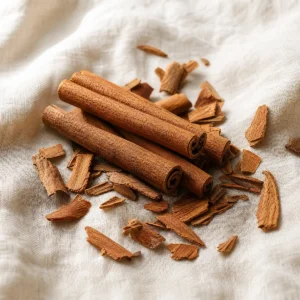
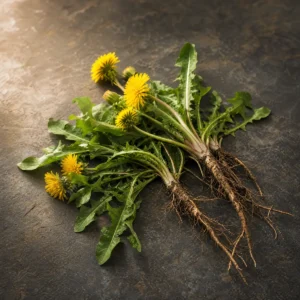
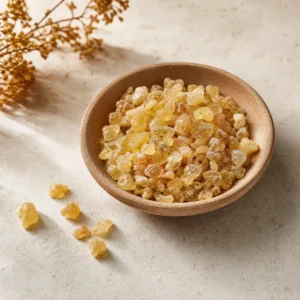
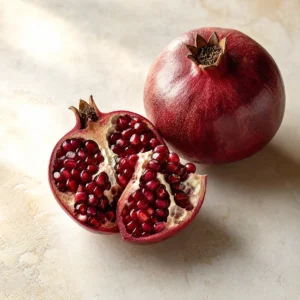
Cinnamon, dandelion, frankincense, grape seed extract, mustard seed, myrrh, olive leaf, and pomegranate.
Faith-based wellness starts with clear information. Every botanical in this formula is listed with its amount per serving, so you can review the label, understand the formula, and decide whether it belongs in your routine. The Bible passages on this page provide historical and spiritual context for the ingredients. They are not medical promises.
You can review the product page for bottle size, purchase options, and full label information. Scripture does not make a supplement medical treatment or make it right for every person. Review the full ingredient list, follow the label directions, and speak with a qualified healthcare professional before use if you are pregnant, nursing, taking medication, or managing a health condition. This product is a dietary supplement. It is not intended to diagnose, treat, cure, or prevent any disease.
Eight Herbs From the Bible, From Cinnamon to Pomegranate
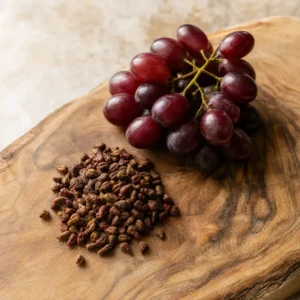
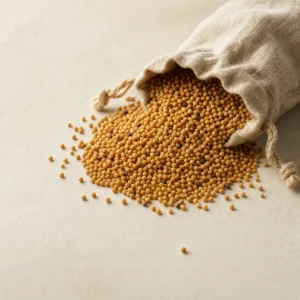
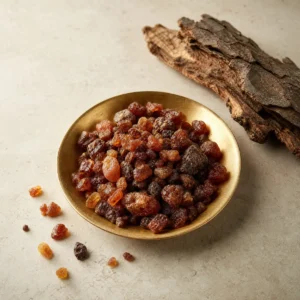
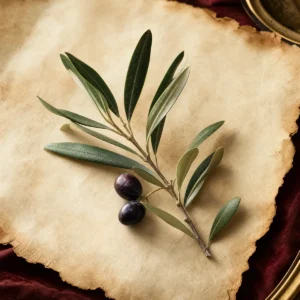
Each botanical below is named in a specific passage. Every one is included at 91.25 mg per two-capsule serving, for 730 mg in total. Select any plant to read the passage that names it.
Herbal Medicine and Medicinal Herbs in Biblical Times
People in biblical times did not separate food, fragrance and medicine as sharply as we do. Plants were valued for all three. The bitter herbs of the Passover meal in Exodus 12:8 were food with a meaning. The anointing oil of Exodus 30:23–25 blended myrrh, cinnamon, calamus and cassia into olive oil. Myrrh and aloes, about seventy-five pounds of them, were brought by Nicodemus to prepare the body of Jesus in John 19:39–40.
The Bible also records plants used in care for the body. A fig poultice is applied to King Hezekiah’s boil in Isaiah 38:21. In the parable of the Good Samaritan, oil and wine are poured on a stranger’s wounds in Luke 10:34. Jeremiah 8:22 asks, “Is there no balm in Gilead?”, a question that assumes the balm was known and trusted.
None of this makes a modern herbal supplement a medical treatment. It shows that biblical writers paid attention to the plants God made, and treated them as gifts to be used with care. That is the spirit behind this formula: eight biblical herbs, each traceable to a verse, each disclosed by amount.
Plants of the Bible Often Listed With These Eight
- Aloes, carried with myrrh in John 19:39.
- Hyssop, used at the first Passover in Exodus 12:22.
- Coriander, the comparison for manna in Exodus 16:31.
- Mint, dill and cumin, named in Matthew 23:23.
- Black cumin, often identified with the qetsach of Isaiah 28:25.
These are not in The Bible Supplement, but they are part of the same biblical landscape. The 8 Pillars Formula page explains why these eight were chosen.
Spiritual Supplements and Taking Supplements Wisely
Some pastors speak of “spiritual supplements”: the daily habits of prayer, reading God’s Word, worship and fellowship that feed the soul. They are a good reminder that no capsule nourishes the inner life. A physical supplement can be a small part of caring for the body God gave you, and the body is only part of a whole life.
If you are considering taking supplements of any kind, a few questions help you choose well:
- Is the amount of every ingredient disclosed, with no proprietary blend?
- Is it clear what the product is, a dietary supplement rather than a medicine?
- Does the company avoid promising cures or dramatic results?
- Is the manufacturing facility named, and its standards stated?
- Is the return policy clear before you buy?
- Have you asked your doctor, especially if you take medication?
Nutritional supplements do not replace food. A balanced diet, rest and time with family come first. For a fuller treatment, read our guide to Christian supplements, or see how this formula compares with another in our comparison with the Wisdom Bible Based Herbal Blend.
For Church Leaders: A Fundraiser Without Inventory, Events, or Upfront Cost
The Ministry Partner Program is a church fundraiser built around one optional, faith-centered product. Your church shares a tracked link through the channels it already uses. Members who choose to order are credited to your church, and the product ships directly to them.
There is no inventory to buy, no event to staff, and no expectation that anyone purchase. Members read the label, review the formula, and decide for themselves.
Your church receives $10 for every qualifying bottle ordered through its link, for as long as members choose to keep ordering.

How the Church Fundraiser Works
Three steps. No selling. No volunteering. No upfront cost.
We Set You Up
We build your church a custom fundraising page, set up your HighLevel account, and configure everything. You don’t touch a single technical setting.
You Introduce It
Share it from the pulpit, in your bulletin, or in a simple email. Your members decide on their own whether it’s right for them. No pressure. No pitch.
How Churches Earn From the Fundraiser
Each qualifying bottle purchased through your church’s tracked fundraising link earns the current $10. Qualifying recurring orders can continue to earn while they remain active under the current program terms.
A Supplement Worthy of Your Congregation
Anything you share with your members should stand on its own merits.
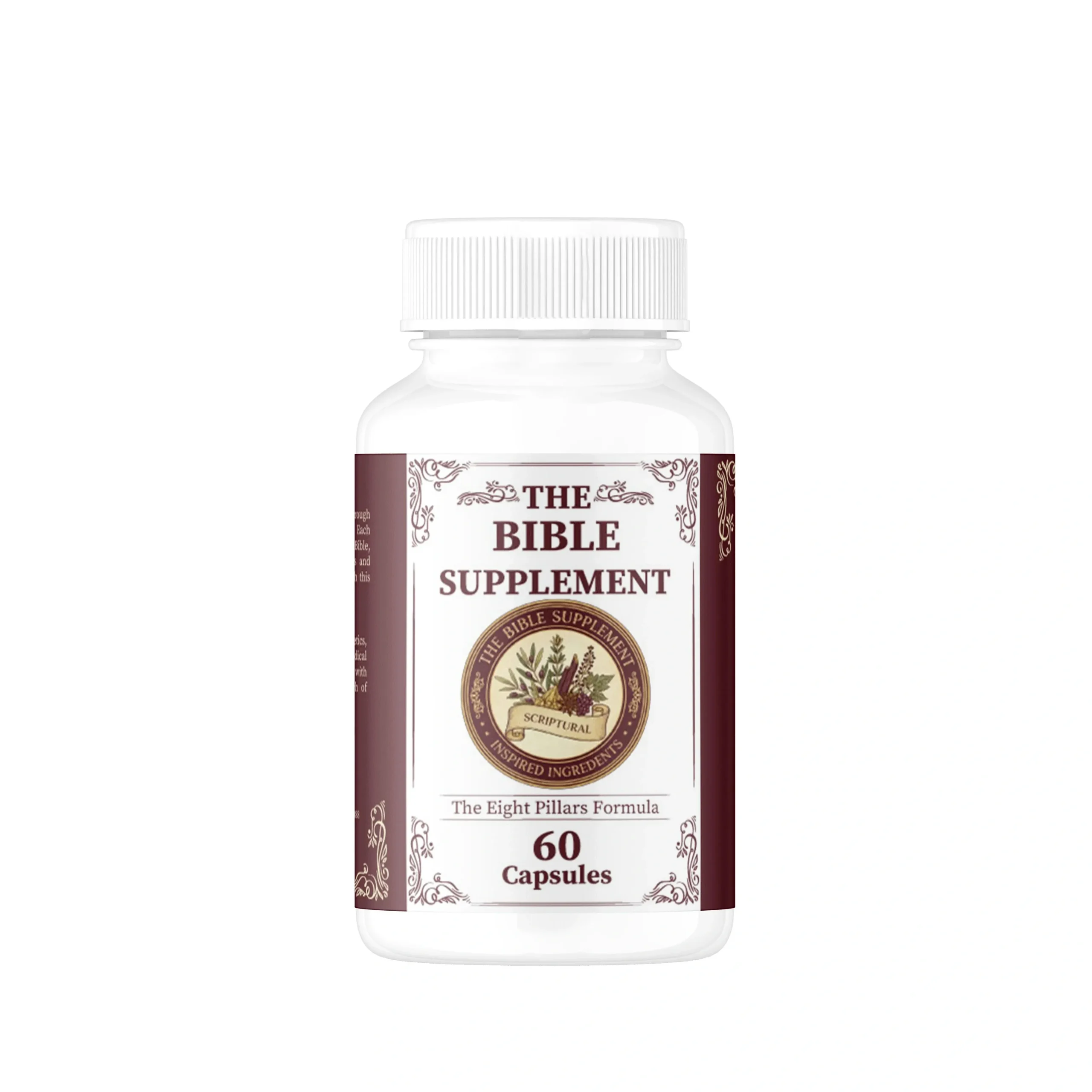
The Bible Supplement is a blend of eight sacred botanicals named in the Bible, including frankincense, myrrh, and cinnamon. Each botanical is listed with its amount per serving, so your members can read the label and decide for themselves. The biblical references give historical and spiritual context for the ingredients — they are not medical promises.
When your members order The Bible Supplement, they are choosing a product on its own merits and supporting your church at the same time.
Your members pay: $39 per bottle
Your ministry earns: $10 per bottle
A Plain Accounting, Pastor to Pastor
No hidden fees. No complicated tiers. Just a simple, honest arrangement.
No Upfront Cost
There is nothing to buy, no inventory to hold, and no fee for your church to start.
Practical Partner Support
We help prepare your tracked fundraising link, launch materials, and available HighLevel support so your church has a practical starting point.
Biblical Wellness
Eight botanicals named in the Bible, each with a disclosed amount. Something you can stand behind from the pulpit.
Auto-Ship Orders and Church Earnings
Members who choose Auto-Ship pay $35 per bottle, billed every 30 days, plus $5.95 flat U.S. shipping per shipment, and can cancel any time from their account. Your church earns the same $10 per qualifying bottle on each of those orders, for as long as the member chooses to stay subscribed.

Introducing Other Churches to the Fundraiser
If you know another church that may be a fit, the current program includes an optional referral level. A Network Partner may earn $3 per qualifying bottle sold through a referred church’s tracked fundraising link. Referral activity is not required, and the primary purpose of the program remains serving your own community.
The Partner Program page explains the current referral terms, qualifying purchases, and support model in plain language.
Read the Referral DetailsFor Church Leaders: See How the Fundraiser Works
The next step is understanding the product, how your church earns on qualifying purchases, the practical support system, and the responsible way to introduce the fundraiser to your congregation. The Partner Program page explains those details clearly.
See How the Partner Program Works →No inventory. No required member purchases. No pressure to turn your church into a sales event.
Frequently Asked Questions
What are biblical supplements?
Biblical supplements are dietary supplements built around foods or botanicals named in the Bible. The Bible Supplement contains eight: cinnamon, dandelion, frankincense, grape seed extract, mustard seed, myrrh, olive leaf and pomegranate, at 91.25 mg each per serving.
Which herbs did Jesus use for medicinal purposes?
The Gospels do not record Jesus using herbs to heal. His healings are by word and touch. Herbs do appear around His life: frankincense and myrrh among the gifts of the Magi in Matthew 2:11, wine mixed with myrrh offered at the cross in Mark 15:23, and myrrh and aloes for His burial in John 19:39.
Does the Bible say anything about turmeric?
Turmeric is not named in the Bible. The Hebrew karkom in Song of Solomon 4:14 is usually translated saffron. Turmeric is not part of this formula.
What are some examples of biblical superfoods?
Foods the Bible names often include olive oil, figs, dates, pomegranates, grapes, wheat, barley, lentils, almonds, honey and fish. Deuteronomy 8:8 lists seven of them as the produce of the promised land.
What are 10 foods that the Bible says are good for healing?
The Bible does not give a list of healing foods. A few passages connect food with care for the body: figs applied to a boil in Isaiah 38:21, a little wine for the stomach in 1 Timothy 5:23, and oil and wine on wounds in Luke 10:34. Proverbs 16:24 compares gracious words to honey, healing to the bones, as a picture rather than a prescription.
Is The Bible Supplement a medicine?
No. It is a dietary supplement. It is not intended to diagnose, treat, cure, or prevent any disease. Speak with a qualified healthcare professional before use if you are pregnant, nursing, taking medication, or managing a health condition.
Talk With Us About Your Church
“Two are better than one, because they have a good return for their labor.” — Ecclesiastes 4:9
Schedule a free discovery call. We’ll walk through the program, answer every question, and show you exactly what it would look like for your specific congregation.
Start a Ministry Conversation