Wisdom Bible Based Herbal Blend vs The Bible Supplement
Two eight-herb formulas. Three herbs in common. A side-by-side look at what is in each one and where Scripture names it.
Both products build a formula of eight botanicals around the Bible. They are not the same formula, they are not the same format, and they do not draw on Scripture in the same way. This page sets the two ingredient lists next to each other and cites chapter and verse for each entry so you can check the claims yourself.
At a Glance
| Wisdom Bible Based Herbal Blend | The Bible Supplement | |
|---|---|---|
| Format | Liquid tincture, 2 fl oz with dropper, in an organic vegetable glycerin and water base | Capsules, 60 per bottle |
| Botanicals | Eight | Eight |
| Shared with the other | Three — cinnamon, frankincense and myrrh | |
| How the herbs are described | “Mentioned or associated with the Bible” | Each one cited to a specific chapter and verse |
| Amount per serving | Check the label | Listed for every botanical — 730 mg total, no proprietary blend |
Product details above are drawn from each maker’s published materials. Formulations change; check the current label before purchase.
What Both Formulas Contain
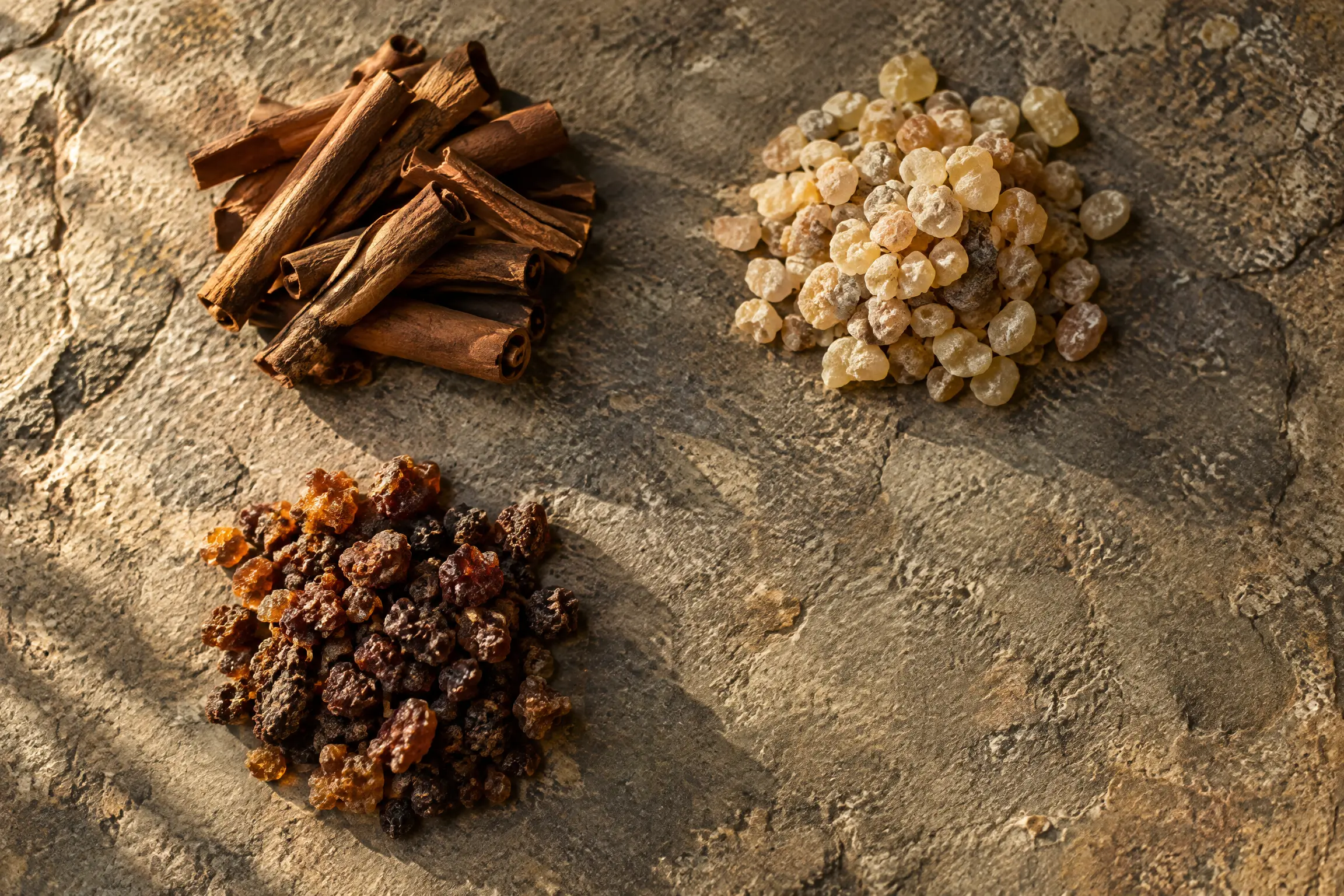
Three botanicals appear in both products. It is not a coincidence — these are the three that are hardest to leave out of any formula built on Scripture.
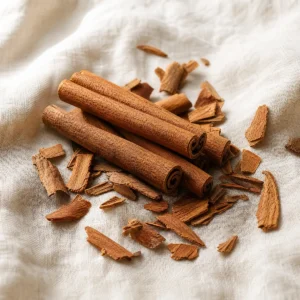
Cinnamon
Exodus 30:23
Weighed out by shekel in the recipe for the holy anointing oil — 250 shekels, half the weight of the myrrh.
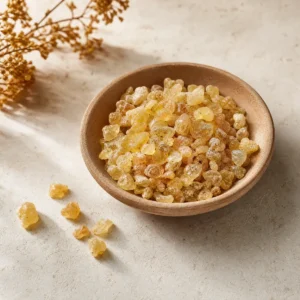
Frankincense
Exodus 30:34, Matthew 2:11
One of the four spices of the holy incense, and one of the three gifts laid before the child at Bethlehem.
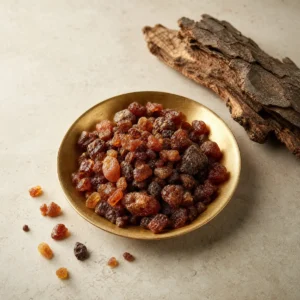
Myrrh
Exodus 30:23, John 19:39
Chief spice of the anointing oil at 500 shekels, and carried to the tomb by Nicodemus.
Where the Two Formulas Part Company
Past those three, the lists diverge completely. Five botanicals are unique to each product.
Only in Wisdom
- Turmeric
- Anise
- Hyssop
- Tulsi (Holy Basil)
- Milk Thistle
Only in The Bible Supplement
- Olive Leaf — Genesis 8:11
- Pomegranate — Exodus 28:33
- Grape Seed — Isaiah 5:1
- Dandelion (Bitter Herb) — Exodus 12:8
- Mustard Seed — Matthew 13:31
Reading the Provenance of Wisdom’s Five
Wisdom describes its eight as herbs “mentioned or associated with” the Bible. That phrase is doing real work, and it is worth taking apart. Here is where each of its five distinct botanicals stands in the text.
Hyssop — named in Scripture, repeatedly
Hyssop is the strongest of the five, and it is genuinely biblical. It carries the blood to the doorposts in Exodus 12:22, appears in the cleansing rituals of Leviticus 14, gives Psalm 51:7 its most quoted line, and is lifted to the cross in John 19:29. Any formula built on Scripture has a fair claim to it. The Bible Supplement does not include hyssop; Wisdom does.
Anise — a translation, not a plant
The word appears in Matthew 23:23 in the King James Version, where the Pharisees tithe mint, anise and cumin. The underlying Greek is anethon, and nearly every modern translation renders it dill. Anise is in the English of one translation rather than in the plant the text describes.
Turmeric — not in the text
Turmeric (Curcuma longa) is native to South and Southeast Asia and is not named anywhere in Scripture. It is sometimes linked to the saffron of Song of Solomon 4:14, but saffron is Crocus sativus — a different plant from a different family.
Tulsi (Holy Basil) — holy in a different tradition
Tulsi is not named in the Bible. It is an Ayurvedic herb of the Indian subcontinent, and the “holy” in holy basil refers to its standing as a sacred plant in Hinduism. It is a meaningful plant with a long devotional history — that history simply is not this one.
Milk Thistle — thistles are in Scripture, but not as a remedy
Milk thistle (Silybum marianum) is not named in the Bible. Thistles do appear — in Genesis 3:18, where thorns and thistles are what the ground brings forth under the curse. They are what grows when the garden is lost, not what is gathered for the tabernacle.
What the Label Tells You
Whichever product you are weighing, the question worth asking is the same: does the label tell you how much of each botanical you are getting?
A label can list eight impressive botanicals under a single combined milligram figure. That is a proprietary blend, and it is permitted — but it means the product could contain almost none of most of them, and you would have no way to tell. Read any supplement label with that in mind, this one included.
The Bible Supplement lists each of its eight with its own amount: 91.25 mg per serving apiece, for 730 mg of botanical ingredients. No combined figure, no proprietary blend.
Common Questions
Are Wisdom and The Bible Supplement the same formula?
No. Both are eight-botanical formulas built around Scripture, and both contain cinnamon, frankincense and myrrh. Past those three the ingredient lists are entirely different, and the formats differ as well — Wisdom is a liquid tincture in a glycerin base, The Bible Supplement is capsules.
Which herbs do the two products have in common?
Three: cinnamon, frankincense and myrrh.
Is turmeric mentioned in the Bible?
No. Turmeric (Curcuma longa) is native to South and Southeast Asia and is not named anywhere in Scripture. It is sometimes associated with the saffron of Song of Solomon 4:14, but saffron is Crocus sativus, a different plant.
Is tulsi or holy basil in the Bible?
No. Tulsi is an Ayurvedic herb of the Indian subcontinent. The word holy in holy basil refers to its status as a sacred plant in Hinduism, not to any biblical reference.
Is anise in the Bible?
The word anise appears in Matthew 23:23 in the King James Version. The underlying Greek word is anethon, which nearly all modern translations render as dill.
Which formula has more herbs actually named in Scripture?
All eight botanicals in The Bible Supplement are cited to a specific chapter and verse. Of Wisdom’s eight, cinnamon, frankincense, myrrh and hyssop are named in Scripture; turmeric, tulsi and milk thistle are not, and anise appears in the King James rendering of a Greek word usually translated as dill.
These statements have not been evaluated by the Food and Drug Administration. This product is not intended to diagnose, treat, cure, or prevent any disease. Consult your healthcare provider before starting any supplement, especially if you are pregnant, nursing, taking medications, or have a medical condition.
Wisdom™ and Wisdom Bible Based Herbal Blend are trademarks of their respective owner. The Bible Supplement is not affiliated with, endorsed by or sponsored by that company. Product information on this page is drawn from each maker’s own published materials and is offered for comparison only. Formulations and labels change — verify current details with the manufacturer before purchase.
Eight Botanicals, Chapter and Verse
Read the full ingredient list with the passage that names each botanical and the amount in every serving, then decide for yourself.
See the Ingredients Order The Bible Supplement